
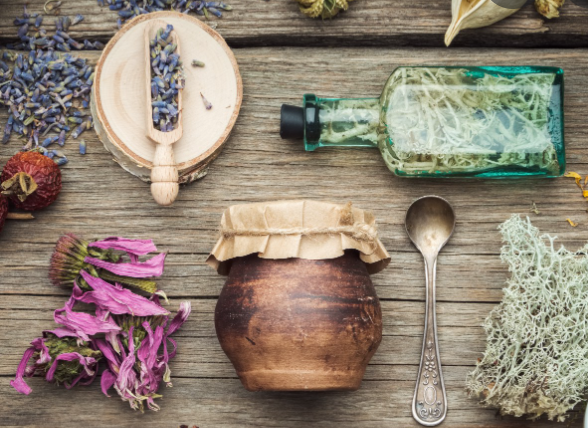
“Let food be thy medicine and medicine be thy food”
The first few pages from my book, so that you could read this very important report from these very fine doctors.
As Hippocrates said:
“Let food be thy medicine and medicine be thy food”
We all think we know what superfoods are:- spinach, silver beet, almonds, potatoes, beetroot, kumara, carrots, blueberries, strawberries, chocolate, rhubarb, tea, kombucha are a few of them, plus some spices and condiments like Turmeric and pepper.
You wouldn’t find the information in my book if you searched for the word “Superfoods” because the information I found is in a different category – ANTI-NUTRIENTS! My own research has led me to some very interesting information that really is new and undermines what we think we knew about ordinary fruit and vegetables.
THE NEGATIVE SIDE OF SUPERFOODS
This next piece of information is rather dry reading, but I recommend you do give it a look. It demonstrates that the doctors who wrote this report in the 1930s knew a thing or two about our food chain. Yet here we are today still eating these fruits and vegetables that could be leading to the upsurge in depression, kidney stones, dental work, fibromyalgia, coeliac disease, diabetes and, as you will read, some professionals, such as Susan Owens and Sally Norton have also made the link to autoimmune diseases such as autism and ADHD.
ILLNESSES THAT CAN OCCUR DUE TO CONSUMING “SUPERFOODS”
Joints
Arthritis Forms of Arthritis - With over 140 different forms of arthritis it is not possible for us to have a dedicated page for each of these. Chondrocalcinosis of the metacarpophalangeal and metatarsophalangeal joints. Acute gout.
Spinal stenosis - Leg pain (sciatica) Leg pain with walking claudication) Tingling, weakness or numbness that radiates from the lower back into the buttocks and legs.
Synovitis & Tenosynovitis - Tendon sheath synovitis is referred to as tenosynovitis. It is a generalised response of that particular tissue (the synovial lining) to a local problem e.g. injury or infection.
Bursitis - Painful inflammation of small, fluid-filled sacs that cushion the bones, tendons and muscles near your joints. bursitis of the hip, knee, elbow, or shoulder), a tendon (tendonitis), and a joint (arthritis).
Kidneys
Acute tubular necrosis - Inside your kidneys are small tube-shaped structures that remove salt, excess fluids, and waste products from your blood. When these tubules are damaged or destroyed, you develop acute tubular necrosis (ATN), a type of acute kidney injury. The damage may result in acute kidney failure (AKI).
Interstitial fibrosis - Its cause is unknown. Nonspecific interstitial pneumonitis: Interstitial lung disease that's often present with autoimmune conditions (such as rheumatoid arthritis or scleroderma).
Nephro calcinosis - Too much calcium is deposited in the kidneys. If kidney stones are present, symptoms may include blood in the urine, fever and chills, nausea and vomiting, and severe pain in the belly area, sides of the back (flank), groin, or testicles. To reduce abnormal levels of calcium, phosphate, and oxalate in the blood. Medications that cause calcium loss are typically stopped. Nephrocalcinosis is largely irreversible. It may also commonly present with haematuria or urinary tract infection (UTI). It also occurs in preterm infants.
Kidney stones - Kidney stones form when your urine contains more crystal-forming substances — such as calcium, oxalate and uric acid — than the fluid in your urine can dilute. At the same time, your urine may lack substances that prevent crystals from sticking together, creating an ideal environment for kidney stones to form.
Heart
Arrhythmias - A fluttering in your chest. A racing heartbeat (tachycardia) A slow heartbeat (bradycardia) Chest pain. Shortness of breath. Light-headedness or dizziness. Sweating. Fainting (syncope) or near fainting.
Diastolic dysfunction - High blood pressure is called the silent killer. That's because it has no symptoms. Having high blood pressure (hypertension) increases your risk of heart disease, stroke, heart failure and kidney disease.
Valvular abnormalities - Shortness of breath and/or difficulty catching your breath. Weakness or dizziness, chest discomfort, palpitations, heavy sweating, swelling of your ankles, feet or abdomen or rapid weight gain.
Impaired ejection fraction - This condition causes areas of heart tissue to thicken. It also narrows or blocks the two main arteries that supply blood to your heart muscle.
Infiltrative process - Such signs and symptoms include local oedema, skin blanching, skin coolness, leakage at the puncture site, pain, and feelings of tightness.
Skin
Livido reticularis - Results from disturbance of blood flow to the skin causing low blood flow and reduced oxygen tension to the skin.
Acrocyanosis - The digits and hands or feet are persistently cold and bluish, sweat profusely, and may swell.
Papules and nodules on face and digits - Skin tags are benign tumours of the skin. They commonly occur in creases or folds of the skin.
Non-healing ulcers - A wound that does not improve after four weeks or does not heal in eight weeks. These include: Diabetic foot ulcers* Venous-related ulcerations. Non-healing surgical wounds.
Eyes
Retinal oxalate deposition - Retinal toxicity leads to early and progressive vision loss.
Nerve and muscle
Axon loss and demyelination - Is characterized by acute paralysis and loss of reflexes without sensory loss. Demyelination prevents nerves from being able to conduct messages to and from the brain.
Myopathies - Muscle cramps, stiffness, and spasm causes of myopathies are genetic, inflammatory (caused by infection), endocrine (hormonal), and metabolic (errors in how cells function).
Polyradiculoneuropathies - Slowly developing autoimmune disorder in which the body's immune system attacks the myelin that insulates and protects your body's nerves. The exact cause is not known. Common symptoms are gradual weakness or sensation changes in the arms or legs. Other symptoms may be overweight or those who have diabetes.
Teeth
Periodontitis - Hyperoxaluria is a metabolic disease with excessive urinary oxalate excretion that can be primary or secondary. Hyperoxaluria can result in chronic renal disease and renal failure. Calcium oxalate crystals can be deposited in oral tissues, and the disease can be associated with severe periodontitis
Jaw bone and root resorption - Several oral findings have been described in patients with oxalosis, most important of whose are bone resorption in the jaws, external root resorption and rapidly progressive dental mobility, as well as dental pain associated with deposition of oxalate in the dentine and the pulp.
Dental mobility - Tooth mobility is the medical term for loose teeth or movement of teeth.
Bone marrow
Erythropoietin stimulating agent resistant anaemia - Anaemia is a common finding in congestive heart failure (CHF) and is associated with an increased mortality and morbidity. Several conditions can cause depression of erythroid progenitor cells: reduction of iron absorption and reuptake, decreased bone marrow activity, reduced endogenous erythropoietin production, and chronic inflammatory state. Anaemia’s etiology in CHF is complex and partially understood; it involves several systems including impaired hemodynamic condition, reduced kidney and bone perfusion, increased inflammatory activity, and neurohormonal overdrive.
Bones
Fractures - Oxalate is found in foods and some beverages; most notably spinach, chard, berries, chocolate, and tea, oxalate binds with calcium and increases the loss of calcium through faecal excretion. For example, even though sweet potatoes contain calcium, not all of it is absorbed because of the oxalic acid (oxalate) that is also in them.
Pseudo fractures - Diffuse joint and bone pain (especially of spine, pelvis, and legs) Muscle weakness. Difficulty walking, often with waddling gait. Hypercalcemia (positive Chvostek sign) Compressed vertebrae and diminished stature. Pelvic flattening. Weak, soft bones. Easy fracturing.
Sclerosis - Lichen sclerosis can occur in both men and women and in both adults and children. While it tends to occur on the genitals, it also appears on non-genital areas of the body. Treatments for non-genital patches and in children and men often stop the condition from appearing, but for adult women, treatment is likely to be lifelong and possibly frustrating. Vulvar Pain and small tears on the Labia (lips) are an indication that the oxalate level consumed is high.
Cystic bone changes - PATHOLOGICAL OBSERVATIONS Direct evidence in favour of the hypothesis mentioned above includes the demonstration of an opening into the joint cavity, the finding inside the cyst of fragments of cartilage clearly derived from the articular cartilage, and the similarity between the fluid in the cyst and the synovial fluid.
Dense metaphyseal bands - The cause of macrophagic myofascitis has not been identified. A unique material that accumulates within the affected macrophages has been seen on electron microscopy but this material has yet to be characterized.
Increased bone density - Reflects range of disorders that affect the skeletal system
Breast cancer
Micro calcifications can be the early and only presenting sign of breast cancer. One characteristic of breast cancer is the appearance of mammographic mammary micro calcifications that can routinely be used to detect breast cancer in its initial stages, which is of key importance due to the possibility that early detection allows the application of more conservative therapies for a better patient outcome. The mechanism by which mammary micro calcifications are formed is still largely unknown but breast cancers presenting micro calcifications are more often associated with a poorer prognosis. We found that all tested breast tumour tissues contain a higher concentration of oxalates than their counterpart non-pathological breast tissue.
ARTIFICIAL FLAVOURINGS, HYDROLYSED PROTEIN & MSG
What we need to know about food flavourings and MSG and all their chemical names
ARTIFICIAL FLAVOURINGS, HYDROLYSED PROTEIN & MSG
Jun 16
I read this article the other day and thought everybody needs to read this…..
SECRETS OF THE FOOD INDUSTRY
By Alicia Melrose and Pip Martin for
A Vital Journey, an internet course on health and nutrition, run by Belmont Park Retreat.
The VITAL JOURNEY is a program to gain and maintain health. The best way to achieve this is to become informed. So, this week we have another fascinating discussion, this time about the food processing industry.
As you can imagine the subject is vast.
ARTIFICIAL FLAVOURINGS, HYDROLYZED PROTEIN AND MSG
Hydrolysed Protein is protein broken down into its basic amino acids by boiling in acids, alkalis (bases), or enzymes (compared with traditional gelatine broths just gently simmered (until the protein releases). It contains glutamic acids and thus also Monosodium Glutamate (MSG). However,
since the FDA considers hydrolysed protein more a flavour enhancer (bouillon), MSG is not listed as an ingredient. Hydrolysed protein is used as it is cheaper because the protein is usually extracted from the (generally regarded) as less-than-desirable portions of animals such as cow hooves and skin (according to the "Good Eats" episode dedicated to protein bars). Paul Mann.
Research on gelatine and natural broths came to an end in the 1950s when food companies discovered how to produce meat-like flavours in the laboratory. In a General Foods Company report issued in 1947, chemists predicted that almost all natural flavours would soon be chemically synthesized. Following the Second World War food companies discovered monosodium glutamate (MSG), a food ingredient the Japanese had invented in 1908 to enhance food flavours, including meat-like flavours.
Humans have receptors on the tongue for glutamate - it is the protein in food that the human body recognizes as meat (but the glutamate in MSG has a different configuration which cannot be properly assimilated by the body). In fact any protein can be hydrolysed to produce a base containing MSG, so when the industry learned how to make the flavour of meat using inexpensive proteins from grains and legumes, the door was opened to a flood of new products including bouillon cubes, dehydrated soup mixes, sauce mixes, TV dinners, and condiments with a “meaty”
base.
The fast food industry could not exist without MSG and artificial meat flavours to make secret sauces and spice mixes that beguile the consumer into eating bland and tasteless food. The sauces in processed foods are basically MSG, water, thickener, emulsifier and caramel colouring. Your tongue is tricked into thinking that it is getting something nutritious. Dressings, sauce, rice mixes, flavoured tofu, bouillon cubes, dried and canned soups, imitation garlic and onions, dehydrated foods that you add water to, all of these and anything that has a meat-like taste has MSG in it. Probably anything that you buy that says "spices" or "natural flavours” contains MSG! If the MSG in spice mixes is less than 50% it does not have to be included on the label.
You may have noticed that that phrase "No MSG" has disappeared - because MSG is in all the spice mixes, and even Bragg's amino acids. It is all profit based. It is too costly to just use a little onion and garlic for flavouring. Unfortunately, most vegetarian foods are loaded with these flavourings. The list of ingredients in vegetarian hamburgers as well as hot dogs, bacon etc. may include hydrolysed protein and other "natural" flavourings, 95% of processed foods contain MSG.
HEALTH PROBLEMS WITH MSG
In 1957 scientists found that mice became blind and obese when MSG was administered by feeding tube. In 1969, MSG-induced lesions were found in the hypothalamus in the brain. Subsequent studies pointed in the same direction. MSG is a neurotoxic substance that causes a wide range of reactions from severe headaches to permanent brain damage. We have to question the huge increase in Alzheimer's, brain cancer, seizures, multiple sclerosis and diseases of the nervous system.
“Excitotoxins, the Taste that Kills” describes how the nerve cells either disintegrate or shrivel up in the presence of this free glutamic acid, MSG, if it gets past the blood brain barrier. The glutamates in MSG are absorbed directly from the mouth to the brain. Some investigators believe that the great increase in violence in this country is due, not to sugar, nor even the breakfast cereals, but to the huge increase in the use of MSG in the food which began in the late 1950's, and particularly because it was put in baby food in very large amounts. Baby food is said to no longer contain it, but it may still be a component as hydrolysed protein. Insulin responds to hydrolysed protein by spiking. It is addictive. You will crave it, and want products containing it the more you eat it.
“Let food be thy medicine and medicine be thy food”
MILK PROCESSING (NZ)
MILK PROCESSING (NZ)
I was reading this the other day and thought it would interest others that like milk.
SECRETS OF THE FOOD INDUSTRY By Alicia Melrose and Pip Martin for A Vital Journey, an internet course on health and nutrition, run by Belmont Park Retreat.
MILK PROCESSING
Milk processing plants are big factories. In NZ, milk is collected by tankers with samples taken by the driver for quality testing. Stringent rules cover the temperature and rate of chilling: the milk must be at 8 deg C within 4 hrs. At the factory, the milk is filtered in enormous silo vats, then separated in centrifuges into fat, protein and various other solids and liquids. These are reconstituted to set levels for whole (3.5% fat compared with 4-8% in real milk), low fat and no fat milks. What is left over will go into butter, cream, cheese, dried milk, and a host of other products. Low-fat milk has dried milk (denatured) protein added to make it seem more like milk.
Milk to make this milk powder is sprayed out from a pipe at the top of a huge silos – by the time it hits the ground, giant heaters have turned it to powder. Unlike the cholesterol in fresh milk, which plays a variety of health promoting roles, the cholesterol in non-fat dried milk is oxidized.
This rancid cholesterol promotes heart disease.
Low fat milk and skim milk mean a lot more money from the butterfat by selling it for ice cream. Skim milk is sold as a health food, but the truth is that butter-fat is in milk for a reason to allow absorption and utilization of the vitamins and minerals in the water fraction of the milk. Along with valuable trace minerals and short chain fatty acids, butterfat is our best source of preformed vitamin A. Butterfat also contains re-arranged acids which have strong anti-carcinogenic properties.
In the States, the milk is pasteurized at 161°F (71.7 deg C) for 15 seconds by passing it quickly over super- heated stainless steel plates. (In NZ these details are regarded as commercially sensitive information.) If the temperature is 200°F (93C) it is ultra-pasteurized. This will have a distinct cooked milk
taste - it is sterile and can be sold on the grocery shelf forever. In other words, it doesn’t even have to be kept chilled. The bugs won't touch it.
As it is cooked, the milk can also be homogenized by a pressure treatment passing it through a fine filter at pressures equal to 4,000 pounds per square inch. This breaks down the fat globules to such a small size that they remain suspended evenly rather than separating out and floating to the
surface. This subjects these good fats to rancidity. Also, after homogenization, proteins are not well-digested and are absorbed into the bloodstream intact. Homogenization has been linked to heart disease and atherosclerosis.
Enzymes in raw milk include lactase for the assimilation of lactose, galactase for the assimilation of galactose and phosphatase for the assimilation of calcium. Dozens of other precious enzymes are destroyed in the pasteurization process. Without them, milk is very difficult to digest. The human
pancreas is not always able to produce these enzymes; over-stress of the pancreas can lead to diabetes and other diseases.
Much of the significant amount of vitamin C present in raw milk, plus B6 and B12 is destroyed by heating.
A NOTE ABOUT A1 / A2 MILK – The Devil in the Milk
These two types of milk are available in a few NZ supermarkets. The difference is in a mutation in a tiny protein fragment in some European cattle (especially some of the Friesians) where the peptide proline is replaced by histidine. All milk was, once a upon a time, A2 milk. When we digest
A1 milk, a powerful oxidising opioid (narcotic) is produced. There is evidence that this A1 beta-casein gene is implicated in many illnesses including heart disease, Type 1 diabetes, autism and auto-immune disease. Politics and vested interests have so far ensured people continue to have
doubts about the importance of A2 milk. Nevertheless we believe raw milk is still hugely better than pasteurized.
ENZYMES
All cell processes require enzymes of which there are over 5,000. Enzymes are present in raw foods to initiate digestion in the mouth and stomach. Every food has its own specific enzymes. Other digestive enzymes are assembled in our salivary glands and pancreas.
In 1922, Dr Laird wrote: “In living cells, the dynamic, driving power … is found in their enzyme contents”. Grains, beans, nuts and seeds have enzyme-inhibitors best deactivated by germinating or sprouting. The enzyme content of lacto-fermented foods like sauerkraut is vastly greater than that
of raw food. Accompany cooked meals with a fermented condiment, and chew foods well. Note that not all foods should be eaten raw. Chinese medicine requires that raw foods be eaten by people with strong digestive fire. For people with poor digestive function, a program like the GAPS
diet which begins with gentle cooked food like bone soups, may be very beneficial. Cruciferous vegetables eg broccoli, cabbage may be better steamed to deactivate progoitren’s, especially for people with low thyroid function. Cooking carrots and tomatoes increases the antioxidant
availability.
New research, Gut bacteria are what we eat, (Nature, 7th April 2010) shows that our gut microbes, which help humans degrade otherwise indigestible plant material, acquire some crucial digestive enzyme genes from the bacteria in the food we eat. “The human digestive tract harbors trillions of
bacteria, many of which establish lifetime, symbiotic relationships with us. The food we eat nourishes our gut flora, and those bacteria feed us with the by-products of their digestive activities... But the food sterilization techniques commonly used might affect the environmental tuning of the human gut function...” states the article! Irradiated food anyone?
Enzymes are killed at 48°C. The food industry places little value on enzymes saying they are broken down anyway during digestion. However the massive amount of work by the distinguished and much-awarded Dr Frances M Pottenger in the 1930s-1950s, on cats, guinea pigs and cows showed what happens to animals fed on cooked foods (particularly milk). They became more and more diseased and died. Another trial on 16 calves in Scotland in 1940 produced the similar results. The multiple enzymes present in raw milk are essential for the digestion of milk. Dr Pottenger and his work were attacked in JAMA (Journal of the American Medical Association) 1984 in a contrived article
“Unpasteurized Milk - The Hazards of Health Fetish” by those attempting to outlaw all sales of raw milk. Michael Schmidt in Canada recently raised two calves – on pasteurized and unpasteurized milk. After 8 weeks changes became evident. Manure from the pasteurized milk calf was runny and grey or white. Its hair was dull and easily pulled out. It was lethargic and after 5 months fears for its survival lead to butchering of both animals. The raw milk calf weighed 200kg, the pasteurized calf 115 kg. Its testicles were 30% smaller. The depth of colour of the liver and kidney from the raw milk calf
amazed the vet. The stomach contents of this calf were solid without disagreeable odour. The other calf had stomach contents which were runny and smelled disgusting.
FOOD SAFETY
The modern sequel to this is the latest round of arrests of American farmers selling raw milk and confiscation of their cheeses etc, along with the legislation approved by Senate (2/12/10) giving further huge control to the FDA. A Radio NZ interview about the lengths some New Yorkers go to to
obtain raw milk from Amish farmers who are persecuted by the FDA? http://www.radionz.co.nz/audio/national/twu/2011/02/19/raw_milk_smuggling
The USA Food Safety Modernization Act is being hailed as a "breakthrough" achievement in food safety, but it will hand vast new powers and funding to the FDA so that it can “clean up” the food supply and “protect” all Americans from food-borne pathogens. http://www.naturalnews.com/030587_Senate_Bill_510_Food_Safety.html#ixzz16vdfeL6V
Mike Adams writes: There's just one problem with all this: It's all a big lie. Most deaths from food poisoning are not caused by fresh produce.
We need to be vigilant to ensure our right to access the foods we want to be able to buy and eat in NZ. Proposed food regulations plan to classify raw milk as a Grade 3 food – the most hazardous category. However the right to buy raw milk will be preserved. What about E.coli and salmonella etc?
There is much written on this topic (see the WAPF website). One recent experiment involving adding these bacteria to organic certified raw milk from Organic Pastures Dairy milk in California showed the organisms could not be found in the milk next day. Raw milk has natural antibiotic properties.
There is much skull-duggery and misinformation about raw milk. There are also genuine concerns about milk not properly collected and handled. NZ regulations are stringent with high penalties. The milk companies themselves also impose high penalties for non-compliance. NZ milk supplied to Fonterra is rigorously tested daily. Smaller raw milk suppliers also have rigorous testing.
In 1936, Edwin Jordan in the USA wrote: “The character of pasture was early observed to affect the kind and abundance of the species of bacteria found in milk; the lack of pasture in more recent years has been demonstrated to have a profound effect”. Dr Crewe, a founder of the Mayo Clinic,
used a diet of 4 weeks on raw milk in the treatment of a wide variety of serious chronic diseases and he reported no problem even with patients who were very ill.
MILK ALLERGIES
Many people, cannot tolerate the ‘milk’ sold on the grocery shelves. But real milk is usually very beneficial and doesn’t cause problems for most. This milk is not pasteurized or homogenized and is becoming much more available in NZ through rapidly growing Milk Clubs or Farm Shares.
Let me know what milk you drink and how and when you have milk?

THE MODERN BREAKFAST
what we need to know about these wheat based cereals
I read this article the other day and thought everybody needs to read this…..
SECRETS OF THE FOOD INDUSTRY By Alicia Melrose and Pip Martin for A Vital Journey, an internet course on health and nutrition, run by Belmont Park Retreat.
The VITAL JOURNEY is a program to gain and maintain health. The best way to achieve this is to become informed. So, this week we have another fascinating discussion, this time about the food processing industry.
As you can imagine the subject is vast.
We hope that by the end of this discussion you will understand why we discourage processed foods and will feel informed enough to either pass on this information or talk to family and friends about the dangers, especially to those with young children.
Processing of food is something that humans have done for thousands of years. Cooking food is one type of processing to make some food more digestible and to preserve food for times of scarcity for instance in making traditional foods like sausages, black puddings and haggis as well as bread, grain products, milk products – cheese, butter or ghee, pickles. Other processing and preserving includes salting and controlled fermentation – wine and spirits, and lacto-fermented food and beverages. Farmers and artisans like the cheese makers, distillers, bakers, and millers processed foods to make delicious foods, retaining and often increasing the nutritional content.
In modern times we have gone from local artisanal processing to factory and industrial processing which destroys much of the food. Industrial processing depends upon sugar, white flour, refined salt, processed and hydrogenated oils, mass-produced ‘dead’ vinegars, additives like colours, preservatives and synthetic vitamins, and extrusion processing of grains, all packaged in plastic. These are the tools of the food processing industry.
Let's have a look at the typical modern day breakfast of cereal.
THE MODERN BREAKFAST
Packaged cereals are produced by extrusion. Cereal companies buy the grains from the farmer for a pittance. The grains are made into slurry in a large tank then forced through an extruder where the paste is pushed through a little hole at high temperature and pressure and shaped into little o's, flakes, shredded, or puffed up. A blade slices off each flake, which is carried past a nozzle and sprayed with a coating of cheap oil and sugar, to seal off the cereal to keep it crunchy.
Paul Stitt (1) has written about the extrusion process that destroys the fatty acids and even destroys the chemical vitamins that are added. The amino acids from the proteins are rendered very toxic by this process, especially lysine which is ravaged by extrusion. This is how all the boxed cereals are made - even those in the health food stores - and mostly in the same factories. ALL dry cereals that come in boxes are extruded cereals. Rolled oats do not receive this treatment but are steamed before drying and packaging.
The only ‘advances’ made in extrusion processing are those that will further cut cost or will make the food more alluring and addictive. Cereals are a multi-billion dollar business that has created huge fortunes. There is little research on the effects on man or animals. There are only two unpublished studies which were done on rats.
THE RAT EXPERIMENTS
Stitt wrote about an experiment conducted by a cereal company in which four sets of rats were given special diets:
- One group received plain whole wheat, water, and synthetic vitamins and minerals as a nutrient solution.
- A second group received puffed wheat (an extruded cereal), water and the nutrient solution.
- A third set was given water and white sugar.
- A fourth set was given nothing but water and the nutrient solution.
The rats that received the whole wheat lived over a year on this diet. The rats that got nothing but water and nutrient solution lived about two months. The animals on a white sugar and water diet lived about a month. The company's own laboratory study showed that the rats given the solution, water and all the puffed wheat they wanted died within two weeks - they died before the rats that got no food at all. It wasn't a matter of the rats dying of malnutrition. Results like these suggested that there was something actually very toxic in the puffed wheat itself. Proteins are very similar to certain toxins in molecular structure, and the pressure of the puffing process may produce chemical changes which turn a nutritious grain into a poisonous substance.
Another unpublished experiment was carried out in 1960. Researchers at Ann Arbor University were given 18 laboratory rats. They were divided into three groups:
- one group received corn flakes and water;
- a second group was given the cardboard box that the cornflakes came in, and water;
- the control group received rat chow and water.
The rats in the control group remained in good health throughout the experiment. The rats eating the box became lethargic and eventually died of malnutrition. The rats receiving the cornflakes and water died before the rats that were eating the box! But before death, the cornflakes rats developed schizophrenic behaviour, threw fits, bit each other and finally went into convulsions. Autopsy revealed dysfunction of the pancreas, liver and kidneys and degeneration of the nerves of the spine, all signs of insulin shock. The conclusion of this study is that there was more nourishment in the box than there was in the cornflakes. This experiment was designed as a joke. The results were never published and similar studies have not been conducted.
Most New Zealanders eat this kind of cereal. The food industry must be delighted at sales of these boxed cereals. Many of them are at least 50% sugar. Even so-called health food cereals which use whole grains and better quality sweeteners are made by the same method. The whole grain extruded cereals are possibly even more dangerous, because they are higher in proteins so denatured by this type of processing, and the toxic phthalates are still present.
We should be shocked into action when we find out that our expectations of a nutritious breakfast from the most important meal of the day are false. Sayings in German and Chinese echo the old adage: “Breakfast like a king; lunch like a prince; dinner like a pauper”.
THE EXTRUSION PROCESS
Putting cereals through an extruder alters the structure of the proteins. ‘Seins’, which comprise the majority of proteins in corn, are located in spherical organelles called protein bodies. One study investigated change in protein body shape and release of encapsulated alphaseins as a result of extrusion processing. During extrusion, it was found that the protein bodies were disrupted and the alphaseins dispersed. The results suggest that seins in cornflakes could then interact with each other and other components, forming new compounds which are foreign to the human body. Thus the
extrusion process breaks down the organelles, disperses the proteins and the proteins
become toxic. When they are disrupted in this way, you have chaos in your food that can result in disruption to the nervous system.
OLD-FASHIONED PORRIDGE
So what are you going to have for breakfast? Eggs in some form are perfect, especially if the yolk is raw or softly cooked. And we need to go back to good old-fashioned soaked porridge or raw porridge - muesli. Even better, acquire a grain mill and roll your own oats fresh each day and soak them as above – the delicate oils in grains are rapidly made rancid on exposure to air. (This is why rolled oats are steamed.) Many cultures have grains like rice or barley or millet for breakfast.
Fresh ground oats must be soaked overnight to get rid of the anti-nutrients which are neutralized in the sprouting process. Soaking neutralises the tannins, enzyme inhibitors and phytic acid which help preserve the grains.
Soak the grains in warm water and add a dash of something acidic like whey, yoghurt, lemon juice or vinegar. The porridge cooks in about a minute. And eat it with butter or cream, coconut and/or coconut oil and chopped nuts like our grandparents did. The nutrients in the good fats in the additions are co-factors to help absorb the nutrients in the grains. One of the great lessons of Weston Price was that without the fat-soluble vitamins A, D E, and K (which act as anti-oxidants to preserve fats or oils) you can take mineral supplements, you can drink carrot juice until you turn orange, but you cannot absorb the minerals in your food without vitamins that are exclusively found in the animal fats. Fat also slows the absorption of sugars and prevents sugar highs and lows.
Eggs and porridge are excellent breakfast for growing children and teenagers, and great value for money with good protein to prevent craving for sugary, salty non-foods for a good portion of the day! Provide some good protein at lunch to lengthen the effect.
I will try to bring you more of these articles each month. I hope you enjoy this article and please leave a comment if you wish. Thanks - Linzi☺